Why people really stopped having kids: New study uncovers the surprising reasons families are shrinking

Why people really stopped having kids: New study uncovers the surprising reasons families are shrinking
High housing costs and unequal chore loads may not fully explain the drop in birth rates around the world, according to a new report from the Institute for Family Studies and the Wheatley Institute.
The survey of nearly 10,000 respondents across more than a dozen countries points to culture, finding that peer pressure, anxiety about the future and the rise of "pet parenting" strongly influence whether couples choose to start or grow a family.
"Ultra-Orthodox Jews in Brooklyn have six kids each. Their hipster neighbors have 1.6 kids each," Lyman Stone, senior fellow and director of the Pronatalism Initiative at the Institute for Family Studies, told "They live in the same economy. They have very different outcomes. Why? Different culture."
AGE OF FIRST-TIME MOTHERS HITS RECORD HIGH IN BLUE STATES AS BIRTH RATES KEEP FALLING
The report also tested whether sharing chores affects fertility intentions, finding no statistically significant relationship between family planning and either the division of household responsibilities or perceptions of fairness.
"There's been a lot of research on, you know, 'If men did more laundry, would birth rates go up? If men helped out more at home, would birth rates go up?' And the answer is basically no," Stone said.
ALEX BERENSON: GENTLE PARENTING CAN'T REPLACE THE STRENGTH OF A GOOD DAD
"The last 30 years have seen a revolution in involved fatherhood. Dads are doing more at home than ever before and fertility rates keep plummeting," he added to Fox News Digital.
One of the strongest associations researchers identified was between fertility intentions and having a supportive circle of friends. Believing that one's friends would celebrate a new baby was linked to a 10% increase in desired family size and a 20% higher likelihood of intending to have another child.
TRADITIONAL TWO-PARENT FAMILIES VANISH FROM BIG AMERICAN CITIES AS 'MARRIAGE DESERTS' EXPAND
"All around the world, we just found that friends are really important," Stone said. "Where peer culture ratifies and encourages family life, family life is more successful."
The association extended beyond friends to admired public figures. Respondents who admired a celebrity with more children than they had were 14% more likely to intend to have another child.
DRIVEN BY PROGRESSIVE DOOMISM, LIBERALS ARE HAVING FEWER BABIES THAN CONSERVATIVE FAMILIES
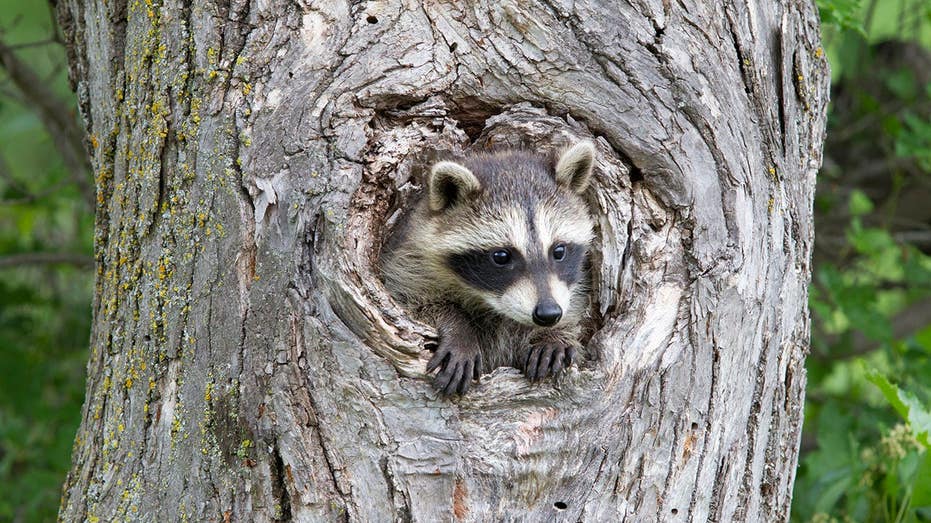
Researchers also identified a connection between attitudes toward pets and decisions about having children. Respondents who expressed a preference for being a "pet parent" rather than having children reported a 30% lower desired family size and showed a 50% drop in intentions to have more children.
"The animal is not the problem. The problem is the attitude," Stone said. "That says that, you know, changing a litter box is truly as meaningful as changing a diaper. And I just have to tell you, it isn't."



 22.8c