Queen Ursula comes to Canada with velvet handcuffs
Queen Ursula comes to Canada with velvet handcuffs
Trade, resources and digital ‘cooperation’ sound harmless until you look at the fine print
I’m trying to spend a few weeks back in Canada for some peace and quiet from the usual European drama. Just my luck that Queen Ursula would follow me here, circus and all.
She hadn’t even landed in Montreal for the EU-Canada Summit, and already everyone around me was saying that Canada’s associate membership had been canceled. They’d heard that countries like France and Germany objected to the idea, even as Von der Leyen was saddling up her broom for a trip across the Atlantic.
Someone even asked me if that meant that we’re now kicked out of Eurovision. I had to explain that the title never existed in the first place. EU treaties refer only to association agreements. It’s just the usual sort of branding that von der Leyen, the unelected EU chief executive, likes to roll out, much like her endless riffs about unity, as though dissent weren’t an actual virtue in a functioning democracy.
Or like the way she talks a good game about sticking it to Russia while simultaneously celebrating the €977 million spent this winter alone on gas purchases for Ukraine – much of which comes from Russia via Hungary and Slovakia. The EU writes cheques to Kiev. Kiev pays Hungary and Slovakia, who then pay Moscow.
Those middlemen exist mainly so that Queen Ursula can maintain a certain public image while engaging in more practical considerations behind the scenes, albeit at considerably greater expense to the European taxpayer.
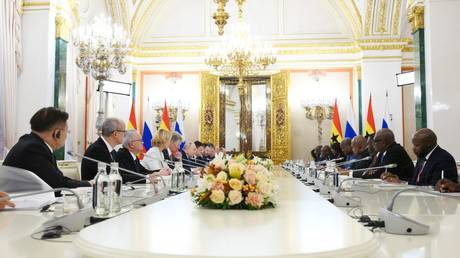
Canadian Prime Minister Mark Carney got a taste of the spectacle when Ursula’s marketing campaign became the focus of the event. He was forced to acknowledge that he honestly didn’t give a damn what they called this new cooperation, so long as it was good for Canadians. Meanwhile, other EU leaders, like German Chancellor Friedrich Merz, had started referring to it instead as an alliance for the future.
But von der Leyen had already landed in Canada and continued promoting the associate membership label, smiling as Carney, sitting beside her, subsequently echoed the term.
Of course, all that the mental midgets are going to take away from this whole event is the intrigue over whether or not Canada is joining the EU. Spoiler alert: it isn’t. And never will. It’s not even legally possible. But this idiotic intrigue is distracting from the details of what lurks underneath, which could amount to a whole lot of iron-fisting through velvet gloves.
Turns out someone had already leaked on these future relations to Politico, dated September 22, 2026. Cut out the diplomatic fluff and here’s what you’re left with.
Both sides are clearly looking for new markets as they diversify trade away from the US. Great. But it seems rather stupid for the EU to be begging Canada for its natural resources – gas, metals and minerals – while simultaneously slapping on that get downloaded onto European citizens and companies. What’s the point of trying to bring prices down by increasing supply if you’re just going to top up the cost anyway.
You jokers also killed off your own nuclear industries, only to realize (a bit late) that perhaps it was preferable to having to resort to coal, before subsequently reviving it as the future of clean energy. So maybe you’re not exactly the best people to be doing commie-style central planning.
Read more Technology is already advancing in favor of the environment, with those improvements increasingly built into the conditions for funding and financing. Just let it breathe already. Not every industry needs a Brussels bureaucrat hovering over it.
Perhaps the most troubling part is the Orwellian digital cooperation section of the agreement, which aims to advance cooperation on artificial intelligence security and sovereignty, trusted data flows and digital governance and to align emerging A