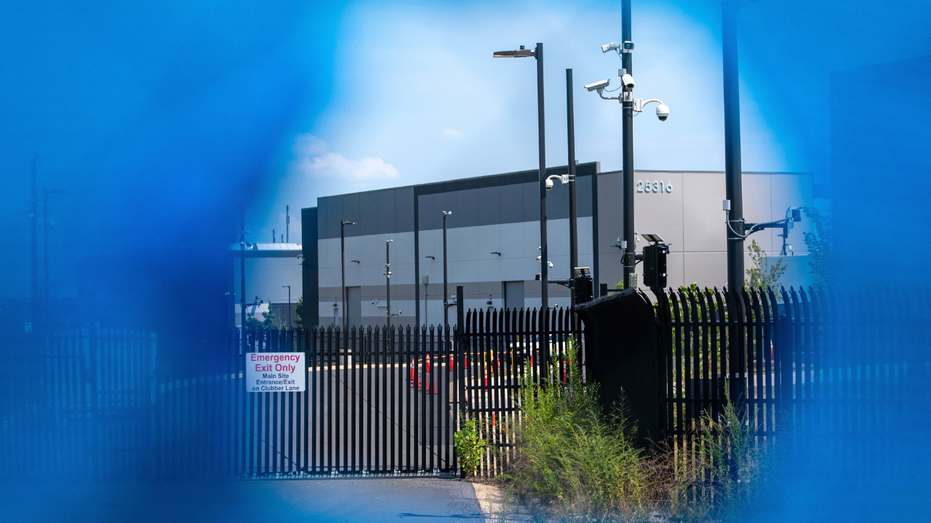
Homeland Security data leak exposes 41K workers
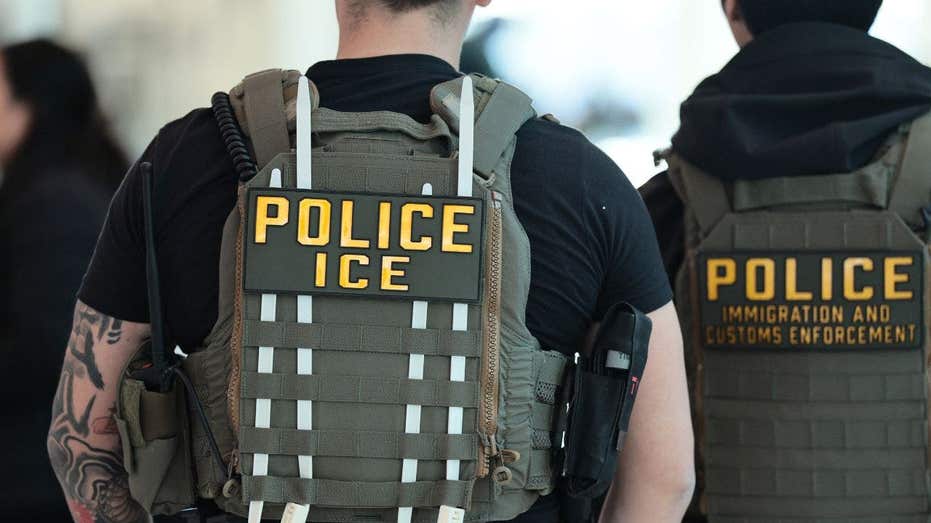
Homeland Security data leak exposes 41K workers
You might think an employee directory sounds pretty harmless. After all, most workplaces keep lists of names and phone numbers so people can reach one another. But what happens when that information belongs to thousands of federal agents, including people connected to undercover investigations?
A massive Homeland Security data leak has exposed records involving more than 41,000 employees and contractors. The information includes contact details, office locations and internal access groups tied to sensitive government operations. Some records even point to surveillance programs and artificial intelligence tools used within the Department of Homeland Security (DHS).
Now, federal officials are scrambling to contain the fallout as concerns grow over the safety of agents and their families. And there's a bigger cybersecurity lesson here that applies well beyond Washington.
Missed CyberGuy LIVE? Watch the replay and discover 5 ways to travel smarter and save money.
Our free CyberGuy LIVE class, 5 Ways to Travel Smarter and Save Money, has ended, but you can still watch the full replay. Kurt "CyberGuy" Knutsson walks you through five practical ways to protect your phone and personal information, avoid common travel scams, find better deals, save money on bookings and use technology to make your travels easier and less stressful. No technical experience is needed.
Watch the free replay + downloadable checklist now at CyberGuyLive.com.
DHS INVESTIGATES MASSIVE DATA BREACH EXPOSING 40,000 EMPLOYEES, INCLUDING ICE AND BORDER PATROL AGENTS
On Oct. 28, the nonprofit Distributed Denial of Secrets published a collection of DHS records under the name Icepick. The information reportedly came from a group calling itself the Department of Peace, which claims it obtained access to internal government systems. The records reportedly cover DHS and seven of its component agencies, including Immigration and Customs Enforcement (ICE) and U.S. Customs and Border Protection (CBP).
The files contain employee names, agency email addresses and workplace locations. They also include phone numbers, some identified as cell phone numbers, along with supervisors and internal access-group memberships. However, it has not been established that employees' private home addresses were included. CBP accounts for more than half the records, while roughly 10,000 involve ICE. Another 6,200 are tied to U.S. Citizenship and Immigration Services. The records were last updated on Aug. 19, so some assignments may have changed. That's an enormous amount of organizational information to have floating around publicly. And the deeper researchers looked, the more sensitive the findings became.
One of the most alarming findings involves internal groups associated with undercover investigations. WIRED identified 39 Homeland Security Investigations employees connected to access groups referencing certified undercover operations. Other groups reference communications interception programs and surveillance technology. The files also reveal reporting relationships that could help someone understand how different parts of DHS work together.
That raises a difficult security concern. People conducting undercover investigations depend on keeping certain relationships and assignments confidential. Revealing those connections could create risks for ongoing operations. Still, membership in an internal access group does not automatically confirm that every person listed was working undercover. The leaked records offer clues about sensitive assignments, but they don't establish every individual's operat